In Jewish tradition, remembering those who have passed away is an important expression of love, respect, and continuity. From observing Yahrzeit to reciting Kaddish and lighting memorial candles, Jewish communities have developed meaningful ways to honor loved ones across generations.
But there is something worth remembering about remembrance itself:
A person’s life is so much more than the date they died.
A Yahrzeit marks an important moment in the Jewish calendar. Yet the person being remembered lived an entire life filled with relationships, accomplishments, traditions, laughter, challenges, and countless everyday moments.
Their story deserves to be remembered throughout the year, not only on the anniversary of their passing.
For synagogues, this creates a meaningful opportunity to strengthen relationships with congregants and their families through digital memorial websites that preserve the stories behind the names.
The Meaning of Yahrzeit in Jewish Tradition
Yahrzeit, meaning “year’s time” in Yiddish, refers to the annual anniversary of a person’s death, traditionally observed according to the Hebrew calendar.
For many Jewish families, Yahrzeit is a deeply personal occasion. Depending on their tradition and level of observance, family members may light a memorial candle, recite Mourner’s Kaddish in a synagogue, attend services, give tzedakah, or dedicate time to reflection.
These customs help ensure that loved ones are not forgotten.
Synagogues play an important role in supporting these traditions. Many maintain Yahrzeit calendars, send annual reminders, and display memorial plaques bearing the names of deceased community members.
These practices create continuity between generations and reinforce the synagogue’s role as a spiritual home.
Yet while Yahrzeit provides a dedicated time for remembrance, the memories themselves are not limited to one day.
A daughter may remember her mother’s advice while preparing for Shabbat. A grandson may recall his grandfather’s stories during Passover. A family may laugh about a cherished relative’s sense of humor during an ordinary Sunday gathering.
These moments of remembrance happen naturally throughout the year.
And they deserve a place to live.
A Person is More than a Name and a Date
Walk into many synagogues, and you will find a memorial wall displaying the names of loved ones who have passed away.
Each plaque represents someone who mattered deeply to a family and community.
But behind every name is a story that a plaque cannot fully tell.
Who was this person?
What made them laugh?
What traditions did they pass down?
How did they contribute to their family, synagogue, or community?
What values guided their life?
Perhaps they volunteered at the synagogue for decades, prepared meals for neighbors, taught children Hebrew, or quietly helped families in need.
Perhaps they were known for their wonderful cooking, their warm embraces, or their ability to make everyone feel welcome.
These are the details that transform a name into a living memory.
A memorial plaque tells us who we remember. A life story helps us understand why they mattered.
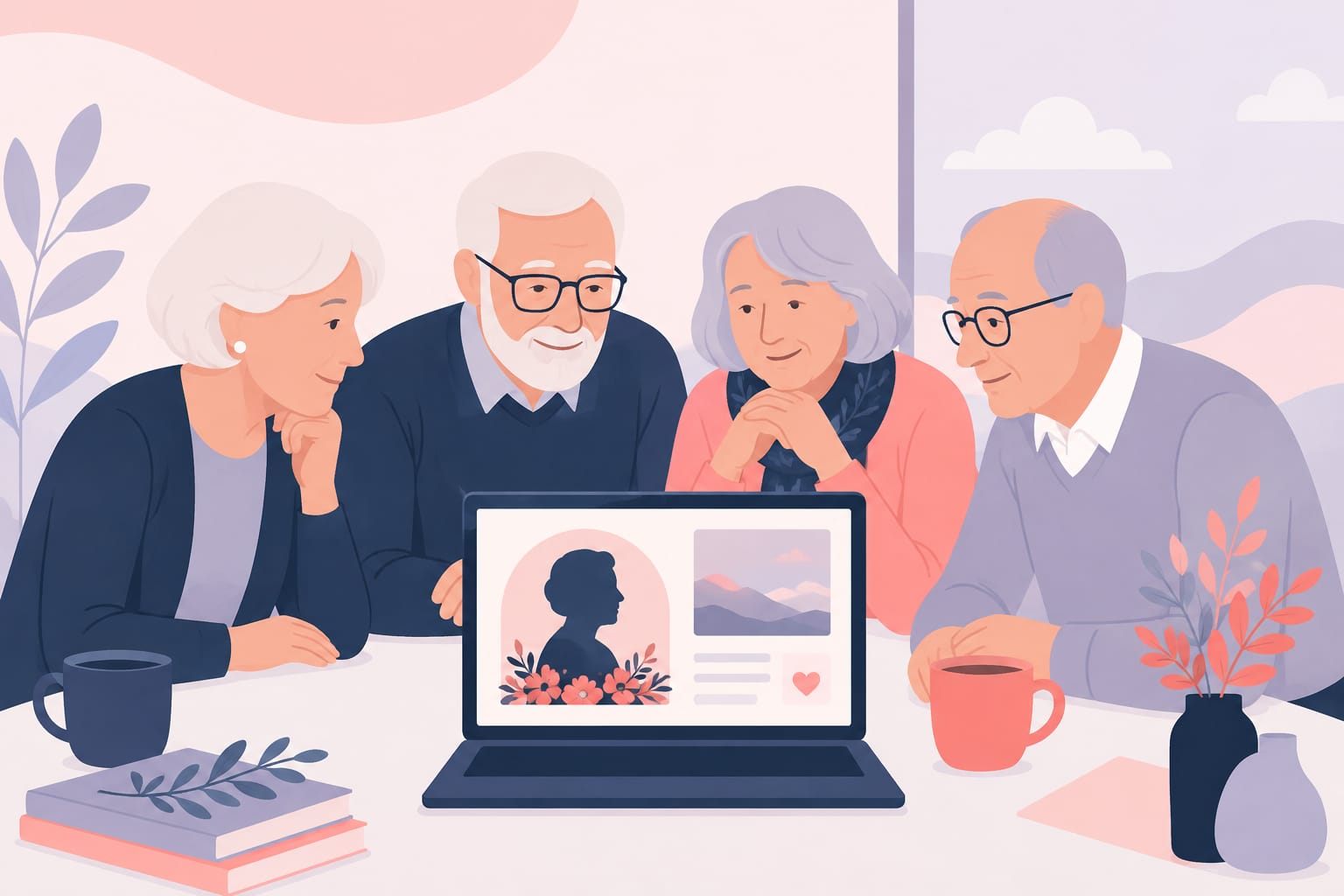
Digital memorial websites can complement traditional synagogue memorials by creating space for photographs, personal stories, meaningful milestones, and contributions from family and friends.
Instead of preserving only a name and dates, they help preserve the person behind them.
Why Jewish Remembrance should be a Year-Round Connection
Jewish life is filled with opportunities to remember loved ones.
Yahrzeit is one important occasion, but memories also emerge during Shabbat dinners, family celebrations, Jewish holidays, and ordinary moments.
A familiar melody at synagogue may bring back memories of a parent. A family recipe at Rosh Hashanah may remind someone of a beloved grandmother. A child preparing for a Bar or Bat Mitzvah may want to learn about a grandparent who is no longer alive.
These experiences demonstrate something important:
Remembrance is not simply an annual obligation. It is an ongoing relationship with the stories, values, and people who shaped our lives.
For Jewish congregations, supporting year-round remembrance offers a way to remain meaningfully connected with families beyond scheduled services and memorial observances.
Rather than contacting families primarily when a Yahrzeit approaches, synagogues can help create an environment where memories are welcomed, shared, and preserved throughout the year.
This approach doesn’t replace traditional Jewish practices.
It extends their meaning into everyday family life.
How Digital Memorial Websites Strengthen Synagogue Communities
A synagogue is more than a place of worship. It is a community built through shared experiences, relationships, traditions, and collective memory.
When a congregant passes away, their connection to the community doesn’t simply disappear.
Their family may continue attending services, participating in holiday celebrations, or supporting synagogue activities. Other relatives may live far away or belong to different congregations.
A digital memorial website can provide a shared space where these connections continue.
1. Connecting Families Across Generations
Jewish families often span multiple cities, countries, and generations.
A grandchild living overseas may never have met a great-grandparent who played an important role in the synagogue’s history.
Through a digital memorial, that grandchild can discover photographs, read family stories, and learn about the values and traditions that shaped previous generations.
Parents, grandparents, siblings, cousins, and friends can contribute their own memories, creating a richer portrait of the person being honored.
This collaborative approach helps preserve family history while strengthening the connections between generations.
2. Helping Synagogues Maintain Meaningful Relationships With Families
Synagogues often develop deep relationships with families over many years.
They celebrate births, B’nai Mitzvah, weddings, and other important milestones. They also provide support during illness, loss, and mourning.
Digital remembrance creates another opportunity for congregations to maintain those relationships.
With appropriate family consent, synagogues can invite relatives to preserve memories, share photographs, and contribute stories about loved ones who were part of the community.
This offers families an ongoing point of connection with their congregation.
It also communicates a meaningful message:
Your loved one’s life remains part of our community’s story.
For synagogue leaders, that sense of belonging can be especially important when connecting with younger generations and extended family members who may not regularly attend services.
3. Preserving the History of the Congregation
Every synagogue has a history shaped by the people who built and sustained it.
Founding members, longtime volunteers, educators, rabbis, community leaders, and devoted congregants all contribute to the congregation’s identity.
Yet many of their stories remain scattered across family albums, personal recollections, and old photographs.
Digital memorial websites can help preserve these individual histories.
When families share memories of their loved ones, they also preserve pieces of the congregation’s collective story.
Over time, these contributions can help future generations understand not only who belonged to their synagogue, but also how those individuals helped shape its culture, traditions, and values.
From Memorial Plaques to Meaningful Life Stories
Traditional memorial plaques hold an important place in Jewish congregations.
They provide a visible reminder of those who came before us and create a physical connection between the synagogue and the families it serves.
Digital memorial websites do not need to replace these traditions.
Instead, they can complement them.
Imagine a synagogue memorial wall where each name connects to a fuller life story.
A family member could explore photographs, read personal memories, discover meaningful achievements, and learn about the person’s contributions to the community.
A memorial plaque might display a name and dates.
A digital memorial could tell the story of a devoted teacher who inspired generations of students, a grandmother whose Shabbat table welcomed everyone, or a volunteer whose quiet acts of kindness strengthened the congregation.
Together, physical and digital remembrance can create a more complete experience.
One preserves the name.
The other helps preserve the life behind it.
Remembering Loved Ones beyond the Yahrzeit Calendar
One of the most meaningful benefits of digital memorial websites is that families can return to them whenever they wish.
A memory doesn’t always arrive on a particular date.
It may appear unexpectedly when someone hears a familiar song, finds an old photograph, or celebrates an important family milestone.
A digital memorial gives these moments somewhere to go.
Families can revisit treasured photographs, reread meaningful stories, and share memories with younger relatives.
They can also add new reflections as time passes.
A son might write about a lesson he understands differently as an adult. A granddaughter might share how her grandmother’s values continue to influence her life.
These contributions show that while a person’s life has ended, the influence of that life continues.
The date of someone’s passing marks a loss. The story of their life preserves what they gave to the world.
Both deserve recognition, but they serve different purposes.
How Memoriz+ Supports Jewish Families and Synagogues
At Memoriz+, we believe every person has a unique story worth preserving.
Our digital memorial platform allows families to create dedicated memorial websites where they can collect photographs, share stories, and invite relatives and friends to contribute memories.
For Jewish families, this creates a meaningful way to honor loved ones beyond annual remembrance dates.
For synagogues, digital memorial websites offer an opportunity to encourage memory preservation and support ongoing connections among congregants, their relatives, and future generations.
Families can use these memorial spaces to celebrate the lives of parents, grandparents, spouses, siblings, friends, and community members.
The focus is not only on loss.
It is on remembering the fullness of a person’s life: the relationships they built, the traditions they cherished, the values they passed on, and the memories they left behind.
By helping families preserve these stories, synagogues can reinforce their role as communities of belonging, continuity, and remembrance.
Frequently Asked Questions About Yahrzeit and Digital Memorials
What is Yahrzeit, and why is it important?
Yahrzeit is the annual anniversary of a loved one’s death, traditionally observed according to the Hebrew calendar. Many Jewish families mark the occasion by lighting a memorial candle, reciting Kaddish, attending synagogue services, or giving tzedakah. It is an important tradition of remembrance and honoring the deceased.
Can Jewish families remember loved ones throughout the year?
Absolutely. While Yahrzeit provides a dedicated annual observance, Jewish families remember loved ones through stories, traditions, photographs, family gatherings, and everyday experiences. Digital memorial websites offer a place to preserve and revisit those memories at any time.
What is a Jewish digital memorial website?
A Jewish digital memorial website is an online space dedicated to remembering a loved one’s life. Families can preserve photographs, personal stories, family history, and meaningful memories. It can complement traditional Jewish remembrance customs without replacing religious observances.
How can memorial websites help synagogues connect with families?
Memorial websites can give synagogues an additional way to support families, encourage intergenerational storytelling, and preserve community history. They can also help relatives who live far away maintain a meaningful connection to their family’s synagogue community.
Can a digital memorial replace a synagogue memorial plaque?
A digital memorial is best viewed as a complement to a physical memorial plaque. While plaques preserve names and provide a place for communal remembrance, digital memorial websites allow families to share the fuller stories behind those names.
Why is preserving someone’s life story important?
Preserving a life story helps future generations understand a person’s character, values, relationships, and contributions. It ensures that remembrance includes not only the circumstances of a person’s passing but also the many experiences that made their life meaningful.
Beyond a Date: Remembering a Lifetime
Yahrzeit reminds us to pause and remember.
But the people we love are not defined by the day they died.
They are remembered through the lives they lived, the people they touched, the traditions they created, and the stories they left behind.
For Jewish families, preserving those stories is a way to maintain connections across generations.
For synagogues, it is an opportunity to deepen relationships with families and celebrate the individuals who helped shape their communities.
And for future generations, it is a gift: the chance to know the people who came before them, even if they never had the opportunity to meet.
Remembrance should not begin and end with a date on the calendar. A lifetime of memories deserves a place in every season of the year.
Memoriz+ helps families create lasting digital memorials where photographs, stories, and memories can be shared and preserved.